Mosaic Chronicle
THE DEATH OF THE LOADING SPINNER
Optimistic UI patterns are no longer optional. Why skeleton states and predictive fetching are the new standard for perceived performance in 2025.
SAAS VALUATION: THE PROFIT SHIFT
The era of 'growth at all costs' is dead. Multipliers are now driven by unit economics and net dollar retention.
CRYPTO REGULATION MESH
Analyzing cross-border payment protocols standardizing DeFi across the EU and Asian markets.
NEO-BRUTALISM RISING
Raw HTML aesthetics meeting high-fidelity interaction. The return of the border.
GEMINI 1.5 CODE ANALYSIS
Benchmarking the latest LLMs on complex TypeScript boilerplate generation.
THE 4-DAY WEEK DATA
Internal productivity metrics after 6 months of a condensed schedule.
WEBGL ON MID-TIER MOBILE
Maintaining 60FPS fluid simulations on average hardware.
The End of Cheap Customers
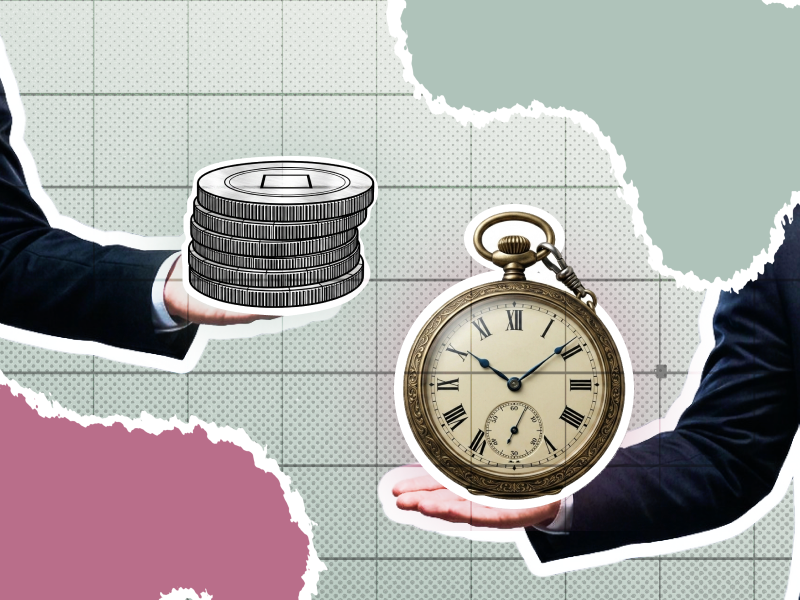
Customer Acquisition Costs have surged 222% over the last decade, rising from $19 to $29 per user. This analysis examines the structural forces behind CAC inflation—privacy regulations, platform tracking degradation, and channel saturation—and provides a manual intervention protocol for businesses facing model-breaking acquisition costs.
The Psychology of Free
In 2007, a controlled experiment presented participants with a choice between a Hershey's Kiss at one cent and a Lindt truffle at fourteen cents. Twenty-seven percent chose the Kiss. When the Kiss was reduced to zero and the truffle to thirteen cents, sixty-nine percent chose the inferior chocolate. The shift from one cent to zero—a trivial monetary difference—produced a 156% increase in preference for the lower-quality product. This is the zero-price effect, and it is reshaping SaaS economics.
The Privacy Premium: Why Automation Adoption Depends on Shame, Not Speed
In 2025, researchers analyzed 241,517 package-level delivery choices across 32 university campuses in China. The data revealed a counterintuitive pattern: when consumers ordered privacy-sensitive products—intimate apparel, personal care items, pharmaceutical products—they were 11.49% more likely to choose robot delivery over human courier, even when robot delivery was priced at a premium or required longer wait times.